Start the game on an RTX graphics card and it draws with DLSS at Quality, about 67 percent render scale, unless you saved a render scale of your own. Settings > Graphics > Upscaler switches between DLSS and TSR, and the choice is kept. A card without RTX gets TSR at 100 percent, and the row just says TSR.
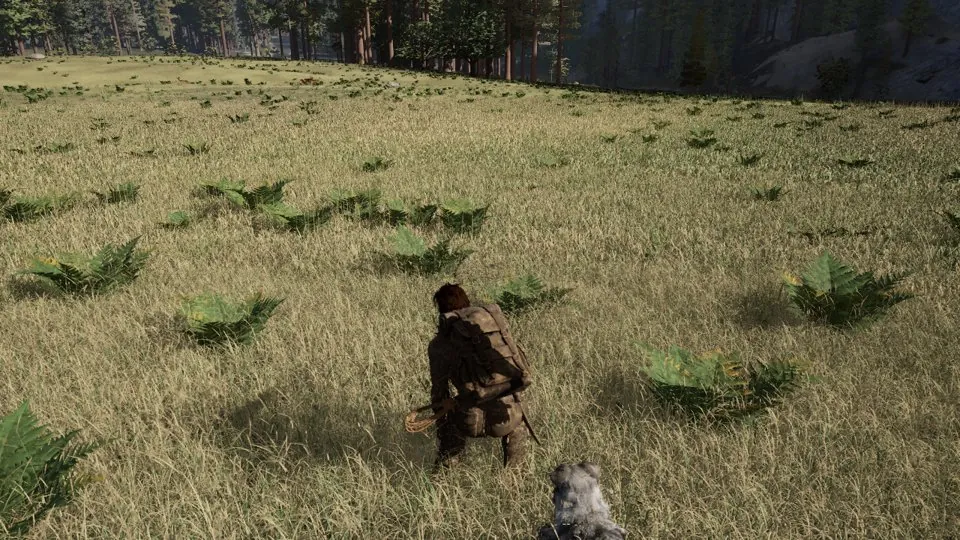
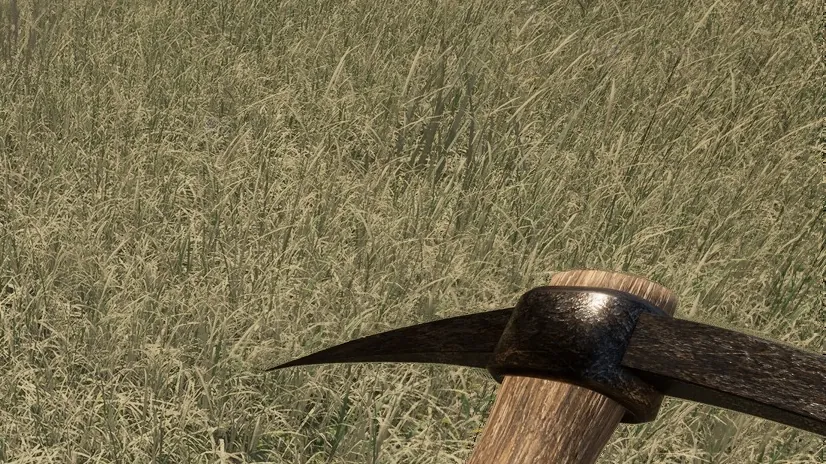
In one run on a test card that switched between the two every 5 s along a 2 km gallop, the graphics card’s time per frame fell from 57.6 to 45.2 ms. The view ahead looks the same. Grass at your feet is a touch softer, and a later check found grass blades go soft and streaky while you move.
It took three tries. DLSS became the default on October 30 and was pulled back twice that day, because starting with it lost the graphics card on the first frames. It returned on November 5, after the cause was found and the packaged game made 24 of 24 clean cold starts. Since October 30 a teleport, a respawn, a camera switch, a zoom or a sudden turn of 60 degrees or more clears the upscaler’s memory of earlier frames, so the old view cannot smear into the new one.
The same page has a Frame Gen row for DLSS frame generation, Off or Auto, and it is off by default. Auto only engages while the game holds exactly half the display’s refresh rate, at 60 frames a second or more, and generated frames have not been proven on screen yet.