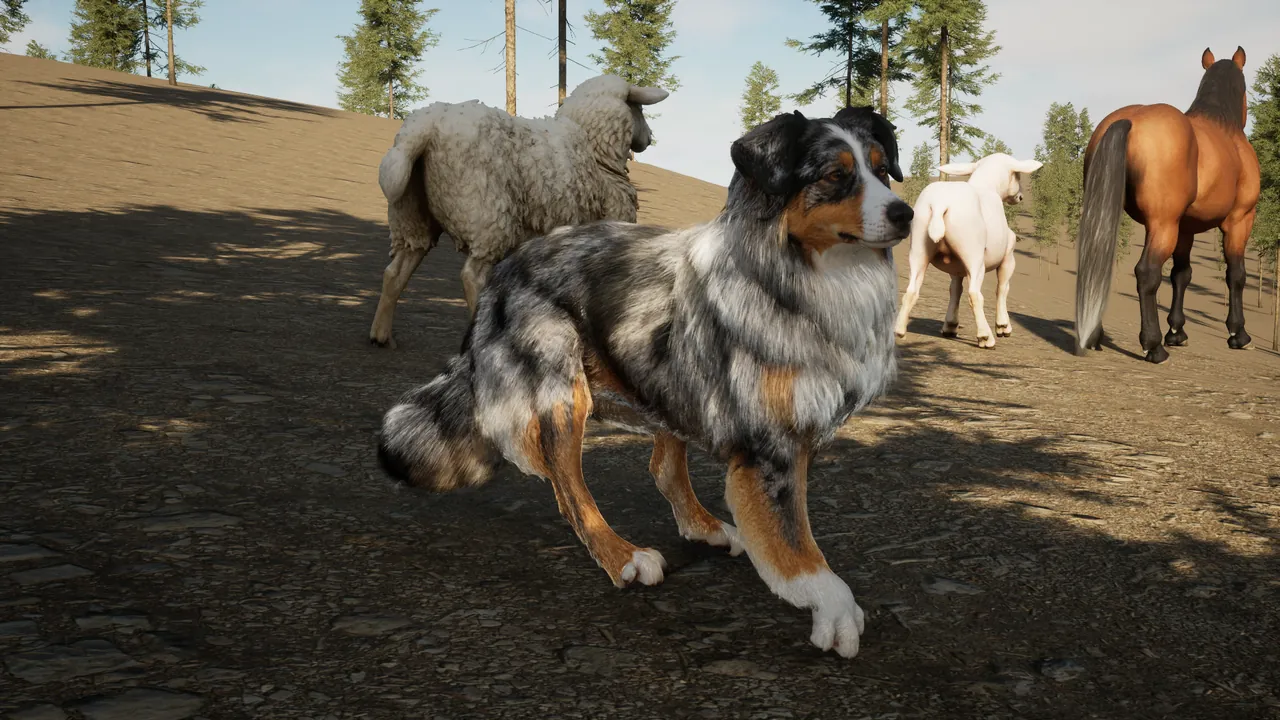
An earlier note about the dog listed one open fault: after a hard stutter at a full gallop, its paws seemed to skate a meter or two across the ground. It was an easy thing to believe, because sliding feet are the classic animation mistake.
On September 25 the skate turned out not to exist. The test that measured it read the dog’s position one frame before the game had finished drawing it, so every fast stop looked like a slide. Read after it is drawn, the paws hold the ground at every speed the dog runs. Nothing on screen changed.
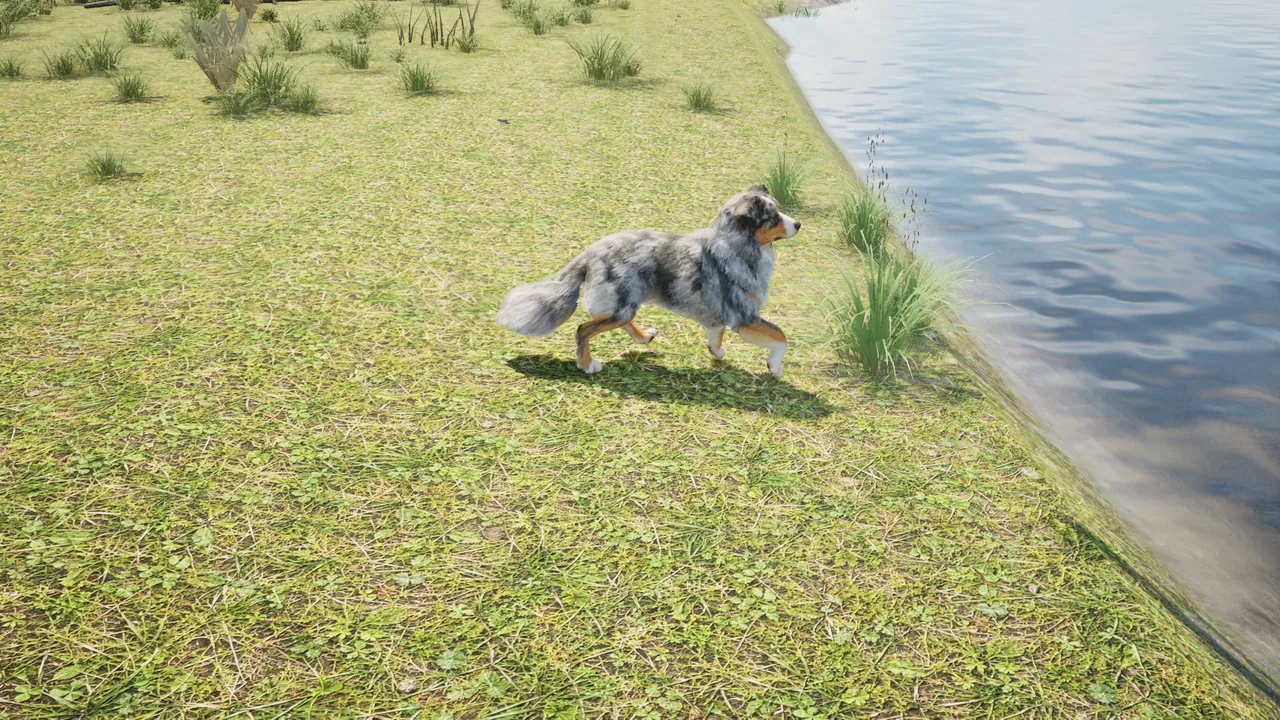
That would be the end of a tidy story, except that looking closely at the dog turned up three faults that were real. At a trot the tail hung straight down onto the ground, so from the side the dog’s back end looked like a heap of fur dragging behind a folded back leg. The fur was drawn one frame behind the animal, so a running dog left a see-through ghost of its tail and legs, and a horse running loose carried a blurry second tail and mane. And at every step the joint low on each back leg, the hock, flipped forward when a paw touched down.
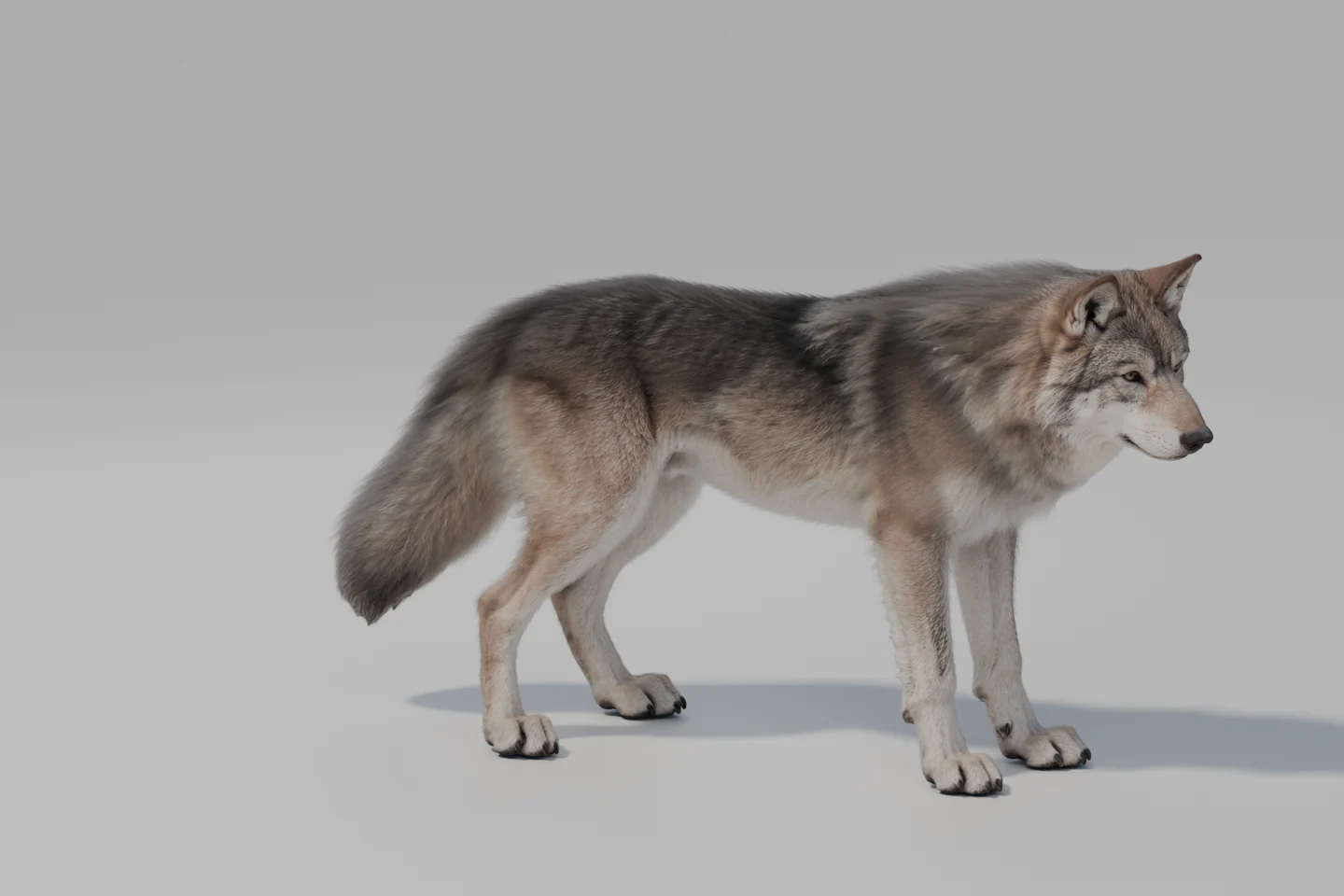
The tail and the paws at starts and stops were fixed on September 26: the tail now trails level with the back or a little below, sways as it goes and streams out at a gallop, and the paws stay put when the dog starts and stops. The fur was fixed the same morning, for the dog, the wolf and a loose horse. The hock took two tries. The first fix, late on September 27, reached only the wolves, whose back legs had the same fault. The dog’s back legs still folded sideways until the second fix, less than an hour later.
The part worth keeping is the order. A measurement that is wrong by one frame can invent a fault, and the invented skate sat at the top of the list while a dragging tail, a ghost and a flipped joint were still there. All three were found by watching the dog from the side. You can check it yourself: walk with the dog at heel and look at it from behind, or gallop with it beside you and look from the side.