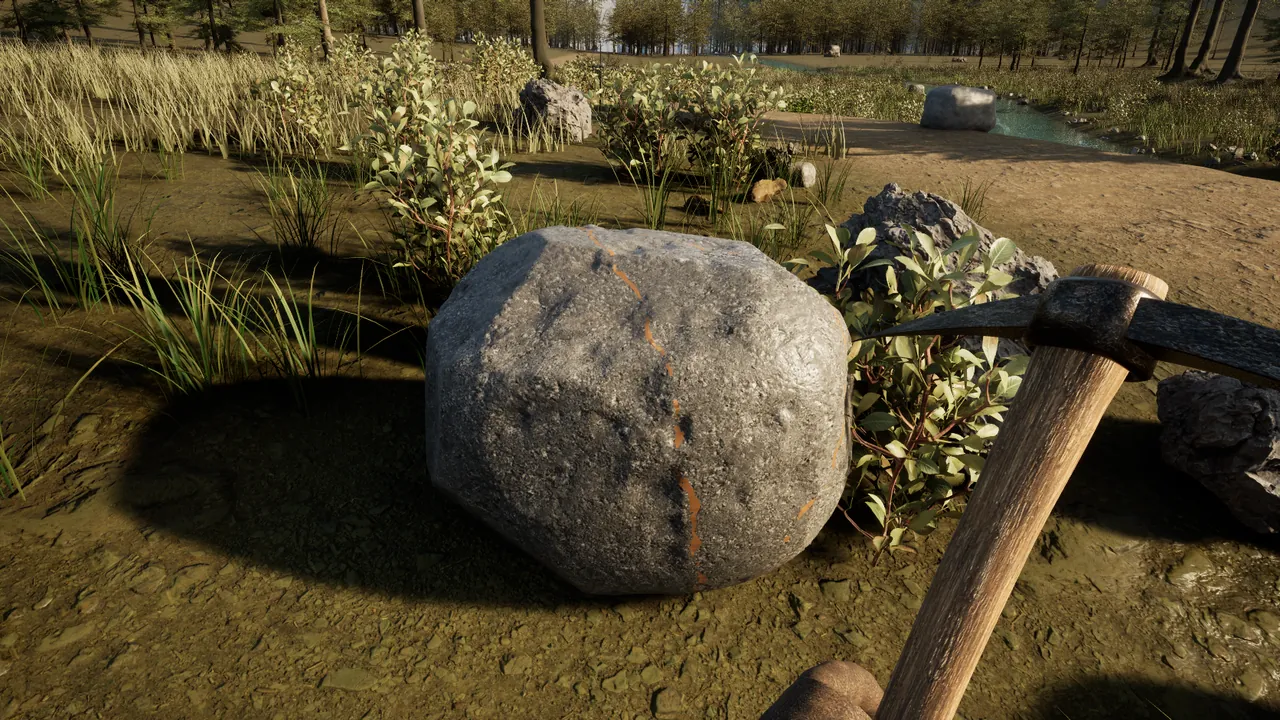
Exposure decides how bright the whole scene is drawn, and pale granite in afternoon sun is the hardest thing in the valley to get right. Too bright and the rock turns into a flat white shape. Too dark and the shadowed side becomes a black hole. Several exposures were compared side by side, and none of them was an obvious winner by eye.
So the question changed from “which frame looks best” to “which frame still shows the detail that is actually in the rock”. The first attempt to measure that was withdrawn. It mixed the light and shadow sides of the boulder together, and it returned an impossible score above 100 percent. The replacement measures the sunlit and shadowed faces separately, looking only at how much fine texture survives and how many pixels are pushed to pure black or white.
The granite texture itself carries 23.1 levels of fine detail. At EV 15 the sunlit face keeps 22.9 of them. At EV 13 it keeps 13.9. At EV 16.5 about 30 percent of the shadowed face is crushed to black. EV 15 became the working default. The honest complication is that EV 13 is kinder to the shadowed side, which is 17 percent of the rock’s visible surface.
Along the way, a number measured earlier was re-measured after cloud shadows had been added to the world, and it no longer matched. The rule that came out of it: a cited measurement carries the build it was taken on. These results only describe the current launch lighting, and the final look of the valley is still a creative decision rather than a number.